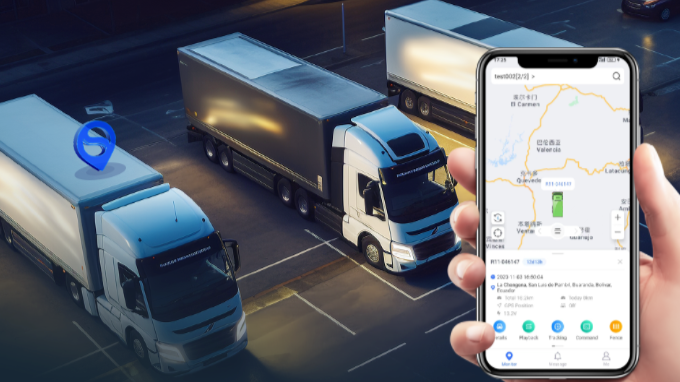
The retail sector faces constant challenges in improving delivery operations, where punctuality and accuracy are key to customer satisfaction. In this context, alert management powered by IoT and telematics is transforming delivery logistics, enabling a 20% reduction in delivery times. These technologies not only optimize routes and improve fleet coordination, but also increase transparency and responsiveness to unexpected events.
How Do IoT and Telematics Alerts Work in Delivery Operations?
Alert management in delivery fleets relies on the integration of IoT sensors and telematics systems that monitor multiple aspects of vehicles and delivery conditions in real time. Key components include:
Location and route monitoring: GPS devices track each vehicle’s exact position, optimizing routes based on traffic, distance, and weather conditions.
Automatic alerts: The system sends notifications when there are deviations from the planned route, delays, or incidents such as unscheduled stops.
Cargo condition monitoring: Specialized sensors track temperature, humidity, or handling of sensitive products, such as perishable food or medications.
Fuel and maintenance management: Telematics detects fuel consumption patterns and preventive maintenance needs, reducing operating costs.
These alerts are sent to a centralized platform, where logistics managers can make immediate decisions to ensure on-time, efficient deliveries.
Key Benefits of Alert Management in Retail Delivery
20% reduction in delivery times: Route optimization and the ability to respond immediately to unexpected events make delivery fleets more agile. This translates into faster deliveries and higher customer satisfaction.
Improved fleet coordination: Telematics facilitates synchronization between vehicles, preventing bottlenecks and improving load distribution. This is especially valuable during peak demand periods, such as sales seasons or holidays.
Lower operating costs: By reducing fuel consumption, minimizing vehicle wear, and avoiding fines for missed delivery windows, retail companies can cut logistics costs by 15% or more.
Greater transparency and traceability: Customers and managers can access real-time information on order status, which builds trust and reduces complaints about delays or losses.
Compliance with quality standards: In sectors such as food and pharmaceuticals, where transport conditions are critical, alerts help ensure products arrive in optimal condition, meeting regulations and industry standards.
Success Stories in the Retail Sector
Supermarket chains in Europe: Companies such as Tesco and Carrefour have implemented IoT and telematics systems across their delivery fleets, achieving a 20% reduction in delivery times and improved inventory management. This has enabled them to offer more efficient same-day delivery services.
Retailers in the U.S.: Companies such as Walmart and Amazon use advanced telematics to optimize their logistics operations, particularly in last-mile delivery. This has allowed them to cut costs and improve the customer experience with faster, more accurate deliveries.
E-commerce companies in Latin America: In countries such as Mexico and Brazil, where e-commerce growth has driven demand for fast delivery, IoT adoption has been key to scaling operations without sacrificing service quality.
Future Trends in Delivery Fleet Management
Integration with artificial intelligence (AI) and machine learning: These systems will be able to predict delays based on historical data and real-time conditions, such as weather or traffic, automatically adjusting routes to avoid disruptions.
Automation of logistics processes: Combining IoT with robotics and autonomous vehicles will enable more efficient management of distribution centers and delivery fleets, further reducing delivery times.
Focus on sustainability: Retail companies are adopting technologies that not only optimize deliveries but also reduce their carbon footprint, such as electric vehicles and eco-friendly routes.
Alert personalization: Alert management systems will become increasingly customizable, allowing companies to configure notifications based on specific needs, such as prioritizing urgent deliveries or adjusting schedules based on demand.
Alert management powered by IoT and telematics is revolutionizing efficiency in retail delivery operations, achieving a 20% reduction in delivery times while streamlining logistics. These technologies not only improve punctuality and fleet coordination, but also reduce costs, increase transparency, and guarantee the quality of delivered products — a breakthrough that is making a real difference in a sector where speed and precision are essential.