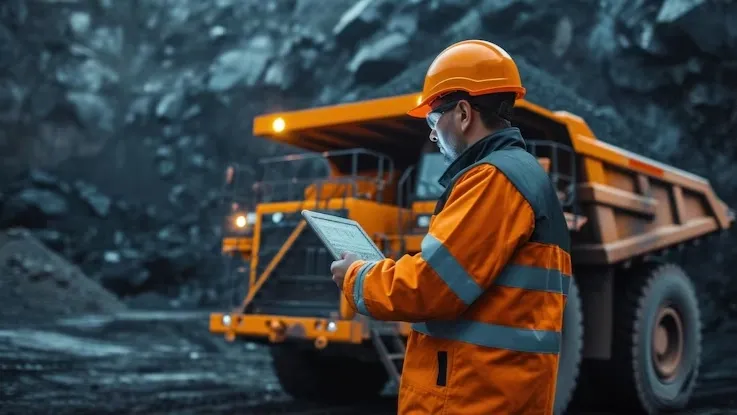
The mining industry is undergoing a significant transformation through the implementation of IoT technologies and sensors in its machinery. According to a McKinsey & Company report, IoT adoption in mining can increase operational efficiency by 20% and reduce operating costs by 10-15% (McKinsey & Company, 2021). These technologies are optimizing operations and cutting costs, making them an indispensable tool for mining companies.
The technology behind operational efficiency
Implementing IoT and sensors in mining machinery enables real-time monitoring of equipment condition and performance. This facilitates early fault detection, maintenance optimization, and improved operational efficiency. According to a Deloitte study, 75% of mining companies that have implemented IoT have reported a significant improvement in operational efficiency (Deloitte, 2022).
Adopting IoT and sensors in mining machinery offers multiple benefits. First, it enables continuous monitoring of equipment condition, facilitating early fault detection and predictive maintenance planning. It also improves operational efficiency by optimizing resource use and reducing downtime. Finally, it helps cut costs by minimizing unexpected failures and extending machinery lifespan. According to a PwC report, mining companies using IoT and sensors can reduce their maintenance costs by 25% (PwC, 2021).
Success stories in the mining industry
A notable example is mining company BHP, which implemented IoT and sensors across its machinery. Thanks to this technology, the company achieved a 20% increase in operational efficiency and a 10% reduction in operating costs (BHP, 2022). This achievement not only improved productivity but also lowered operating costs and enhanced worker safety.
The implementation process included installing sensors on key equipment to monitor its condition and performance in real time. Advanced analytics made it possible to identify patterns and areas for improvement, supporting data-driven decision-making. According to an Accenture case study, implementing IoT and sensors in BHP’s mining machinery led to a 30% reduction in downtime and a 15% improvement in productivity (Accenture, 2022).
Another example is Rio Tinto, which has deployed autonomous trucks in its Australian operations, equipped with IoT and sensors that transmit data on mechanical condition and operating status. At mines such as Boliden in Sweden, this technology has reduced operational incidents and improved safety by enabling machinery control in high-risk environments.
Trends and the future of IoT implementation in mining
The adoption of IoT and sensor technologies is on the rise in the mining industry. According to a MarketsandMarkets report, the global mining IoT market is expected to grow at a compound annual growth rate (CAGR) of 12.5% between 2021 and 2026 (MarketsandMarkets, 2021). As these technologies evolve, their impact on operational efficiency and cost reduction is expected to keep growing. Integration with other technologies, such as artificial intelligence and machine learning, promises a future where mining operations are more efficient and sustainable.
In addition, by 2025 there are expected to be more than 3.9 million IoT connections worldwide, and Chile is no exception. The integration of IoT with other advanced technologies is driving a revolution in the way mines are managed and operated.
The implementation of IoT and sensors in mining machinery is revolutionizing the industry, driving a 20% increase in operational efficiency while reducing costs. These technologies not only optimize operations but also improve the safety and sustainability of mining companies.