Cargo theft is one of the biggest challenges facing the transportation industry, causing massive financial losses and disrupting the supply chain. Recent data shows that cargo theft incidents have risen significantly. However, implementing geofencing combined with GPS technology is proving to be an effective solution, cutting theft by 41% and improving cargo security overall.
What Is Geofencing and How Does It Work?
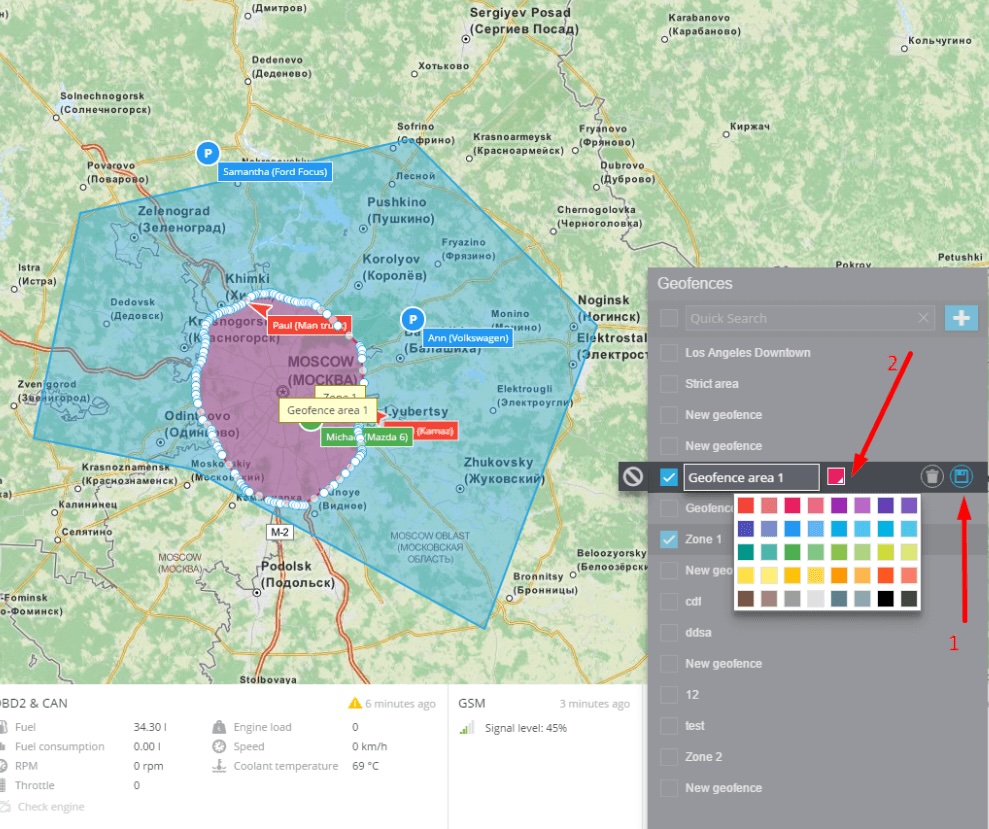
Geofences are virtual geographic boundaries defined by GPS coordinates. When a vehicle equipped with a tracking device enters or exits these zones, the system sends real-time alerts to logistics operators. This makes it possible to:
Monitor predefined routes and detect suspicious deviations.
Receive automatic notifications if a truck strays from its route or enters a high-risk zone.
Trigger security protocols — such as remote engine immobilization or alerts to authorities — in the event of theft or abnormal behavior.
This technology not only helps prevent theft, but also optimizes fleet management, reduces response times, and improves cargo traceability.
Key Benefits of Geofencing in Freight Transportation
41% reduction in cargo theft: Geofencing allows companies to identify and act quickly on unauthorized route deviations, cutting off the window of opportunity for criminals. Companies that have implemented this system report a significant decrease in theft incidents, particularly on high-risk routes.
Route optimization and operational efficiency: By defining safe zones and optimal routes, companies can avoid dangerous areas and reduce delivery times. Integration with fleet management systems automates reporting and improves logistics planning.
Regulatory compliance and enhanced security: Geofencing helps companies comply with secure transportation regulations, such as ISO 28000 (supply chain security). It also provides digital evidence in the event of claims for losses or damages, streamlining insurance processing.
Integration with other security technologies: Geofencing can be combined with surveillance cameras, door-opening sensors, and remote immobilization systems for multi-layered protection. Companies are already pairing geofencing with artificial intelligence to detect suspicious behavior, such as unscheduled stops or sudden speed changes.
Industry Success Stories
Transportation companies in Mexico: Have achieved a 41% reduction in theft thanks to geofencing and real-time alerts. Systems allow remote engine shutdown if a vehicle deviates from its route.
Logistics companies in Europe and the U.S.: Use geofencing to protect high-value cargo (electronics, pharmaceuticals, perishable goods), avoiding massive losses and building greater customer trust.
Carriers in Chile and Peru: Have adopted this technology to combat rising highway theft, achieving faster incident response and higher recovery rates for stolen goods.
Future Trends: Where Is Transportation Security Headed?
Integration with Artificial Intelligence (AI): Advanced systems already use machine learning to predict theft patterns and adjust geofences in real time. AI can analyze historical data to identify high-risk routes and time windows, optimizing protection.
Dynamic geofencing: Rather than fixed zones, tomorrow’s geofences will automatically adapt to conditions such as traffic, weather, or real-time security alerts.
Blockchain for traceability: Combining geofencing with blockchain will enable an immutable record of cargo location and status, increasing transparency and reducing fraud.
Greater adoption across Latin America: Countries where cargo theft is a critical problem are accelerating adoption of these technologies to protect their supply chains.
Geofencing, combined with GPS and other monitoring technologies, is revolutionizing cargo transportation security. With a 41% reduction in theft and improved operational efficiency, this solution has become an essential standard for companies looking to protect their goods and streamline their operations. The technology is here now, and the benefits in security, cost, and reputation are clear.